Premium Roof Lantern Installations for Living Areas
Experience the Charm of Modern Roof Lanterns: Fashion Trends for 2026
In 2026, cutting-edge roof lanterns are evolving architectural aesthetics. Their stylish geometric designs and versatile features offer both functionality and style, appealing to modern sensibilities. Environmentally conscious materials are now standard, emphasizing sustainability alongside elegance. Cutting-edge glazing technologies enhance natural light while providing insulation. As these elements converge, they create warm spaces that reflect a commitment to aesthetics and the environment. What makes these lanterns important for today’s homes?
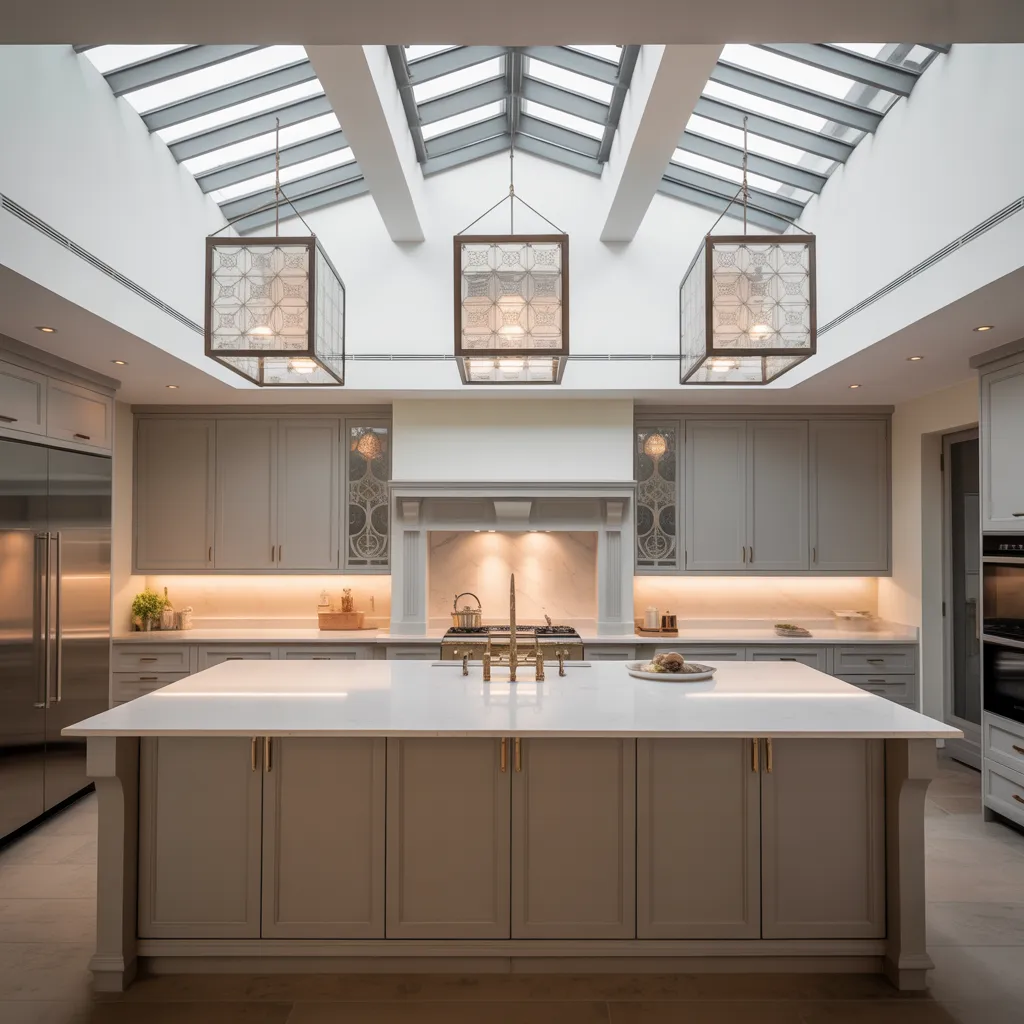
The Advantages of Installing a Modern Roof Lantern
A modern roof lantern delivers a compelling design element that elevates both aesthetics and functionality. By allowing natural light to flood a space, it greatly improves the atmosphere of interiors, crafting a bright and welcoming environment. This inflow of natural light can lessen the dependence on artificial lighting, accordingly promoting efficient energy consumption and potentially reducing electricity bills.
Furthermore, roof lanterns can help regulate indoor temperatures, allowing for better air flow and ventilation. This can contribute to a more pleasant living space year-round. Their flexible styling can enhance various architectural styles, making them suitable for both contemporary and traditional homes.
In addition, a glass skylight can establish a unique focal point, seizing attention and imparting aesthetic character to any room. All things considered, the installation of a modern roof lantern not only enhances the visual attractiveness of a home but also optimizes its operational efficiency and ecological sustainability, making it a excellent investment.
Trending Roof Lantern Materials in 2026
In 2026, the selection of materials for modern roof lanterns demonstrates a combination of innovation and sustainability. Architects and designers tend to prefer eco-friendly options, such as recycled aluminum and responsibly harvested wood. These substances not only reduce environmental impact but also provide a modern appearance.
Glass remains a favored selection, with progress in eco-conscious glazing technology allowing for improved insulation and UV defense. This facilitates homeowners to take advantage of natural light while minimizing energy find out more consumption.
In addition, composite materials are surging in demand, bringing together the longevity of synthetic substances with the elegance of natural-looking surfaces. This pattern accommodates both functional and aesthetic needs, sustaining durability while preserving visual appeal.
Ultimately, the materials selected for roof lanterns in 2026 emphasize both functionality and design, creating attractive, eco-friendly options that improve living spaces while meeting modern environmental requirements.
Exceptional Roof Lantern Styles to Elevate Your Interior and Exterior
Unique roof lantern styles offer a combination of up-to-date and conventional aesthetics that can greatly elevate both interiors and exteriors. Modern geometric designs present a smooth, contemporary look, while classic Victorian inspirations introduce a note of sophistication and warmth. Exploring these different designs enables homeowners to refine their spaces with unique architectural features.
Contemporary Angular Patterns
Contemporary angular patterns in roof lanterns offer a impressive blend of functionality and visual beauty. These innovative structures often showcase crisp edges, angular shapes, and minimalist frameworks that produce a contemporary aesthetic while maximizing natural light. By incorporating materials such as glass and metal, designers deliver a sleek, sophisticated finish that complements various architectural styles. The interplay of light and shadow through these angular structures enhances both indoor and outdoor spaces, creating visually engaging environments. In addition, adjustable selections enable homeowners to select sizes and shapes that meet their particular requirements, ensuring that each lantern serves as a unique focal point. Ultimately, contemporary geometric roof lanterns enhance spaces with their fashionable aesthetics and functional advantages.

Classic 19th-century Inspirations
While modern designs dominate the market, classic Victorian influences in roof lanterns continue to charm homeowners seeking to enhance their interiors and exteriors. Distinguished by intricate detailing, ornate edges, and elegant glasswork, these lanterns evoke a sense of timeless charm. The use of wrought iron and stained glass is frequent, reflecting the craftsmanship of the Victorian era. Homeowners appreciate how these designs create a eye-catching focal point while allowing natural light to flood spaces. In both traditional and contemporary scenarios, Victorian-style lanterns effortlessly blend history with modernity, offering a unique aesthetic that complements multiple architectural styles. As the design landscape evolves, the enduring appeal of classic Victorian influences remains a significant trend in roof lantern choices.
Deciding on the suitable Roof Lantern for Your Abode?
When opting for the perfect roof lantern for a home, homeowners should take into account both aesthetic appeal and practical advantages. The design should reflect the architectural style of the property, whether it be contemporary, traditional, or somewhere in between. Size is another key factor; the lantern should appropriately occupy the space to optimize natural light without overwhelming the room.
Material options, such as aluminum or wood, can furthermore impact the overall look and longevity of the lantern. Homeowners should consider the type of glazing, as options like double or triple glazing can enhance insulation and energy efficiency. Additionally, color and finish should match with existing decor to create a cohesive appearance.
Practical concerns, such as ease of maintenance and installation requirements, are equally important. Ultimately, a judiciously selected roof lantern can transform a home's interior while providing long-term practicality and aesthetic charm.
Sustainable Roof Lantern Deployment
Weaving in sustainable practices into roof lantern architecture offers homeowners an opening to strengthen both aesthetics and environmental responsibility. Modern roof lanterns can be assembled from green building materials such as reclaimed wood and recycled aluminum, lessening the carbon footprint involved in production. Additionally, designers are consistently concentrating on thermally efficient glass that boosts natural light while limiting heat loss, leading to improved energy savings.
Moreover, adding solar panels into roof lantern configurations permits for capturing renewable energy, further advancing sustainability. The application of low-VOC paints and finishes ensures healthier indoor air quality, aligning with eco-conscious living.
An focus on sustainable integration not only boosts the visual appeal of a home but also supports a growing trend towards environmentally-friendly living. As homeowners prioritize sustainability, roof lanterns that embody these principles will prove to be both aesthetically pleasing and responsible options.
Straightforward Upkeep Tips for Your Roof Lantern
Periodic servicing is critical for preserving the visual appeal and performance of roof lanterns. To guarantee optimal performance, it is advised to wash the glass surfaces frequently using a soft cloth and a soft cleanser. This prevents the accumulation of dirt and grime that can block natural light. Additionally, inspecting the weatherstripping for wear or damage is critical; replacing them quickly can avoid leaks and preserve energy efficiency.
Reviewing the frame and supporting structure for rust or corrosion will help maintain staying power. If metallic elements reveal deterioration, applying a protective coating can extend their working life. In addition, during seasonal changes, it is wise to strip away matter including leaves or snow that may settle on the lantern.
Frequently Asked Questions
What Do Average Expenses for Modern Roof Lanterns Amount To in 2026?
In 2026, the average costs of contemporary roof lanterns range from $1,500 to $5,000, influenced by elements like size, materials, and architectural intricacy, demonstrating the changing patterns in home architecture and aesthetics.
In What Ways Do Roof Lanterns Shape Your Home's Energy Efficiency?
Roof lanterns improve home power conservation by maximizing natural light, reducing reliance on artificial lighting. Their design can improve ventilation, allowing for better climate control, ultimately contributing to lower energy consumption and more eco-friendly living environments.
Are Roof Lanterns able to be placed on present Roofs?
Roof lanterns can be installed on current roofs, provided structural stability is assessed. Proper installation guarantees compatibility with the current roofing system and maximizes natural light while improving aesthetic appeal and energy efficiency in the home.
How Long Is the Duration of a Current Roof Lantern?
The lifespan of a contemporary roof lantern typically extends from 20 to 30 years, based on materials, upkeep, and exposure to environmental factors. Regular maintenance can enhance durability and performance over time.
Do roof lanterns fit multiple weather patterns?
Roof lanterns can prove suitable for various climates, if they are properly designed and installed. Thermal insulation, substances used, and drainage factors are essential to guarantee performance and durability in both extreme heat and low-temperature settings.